
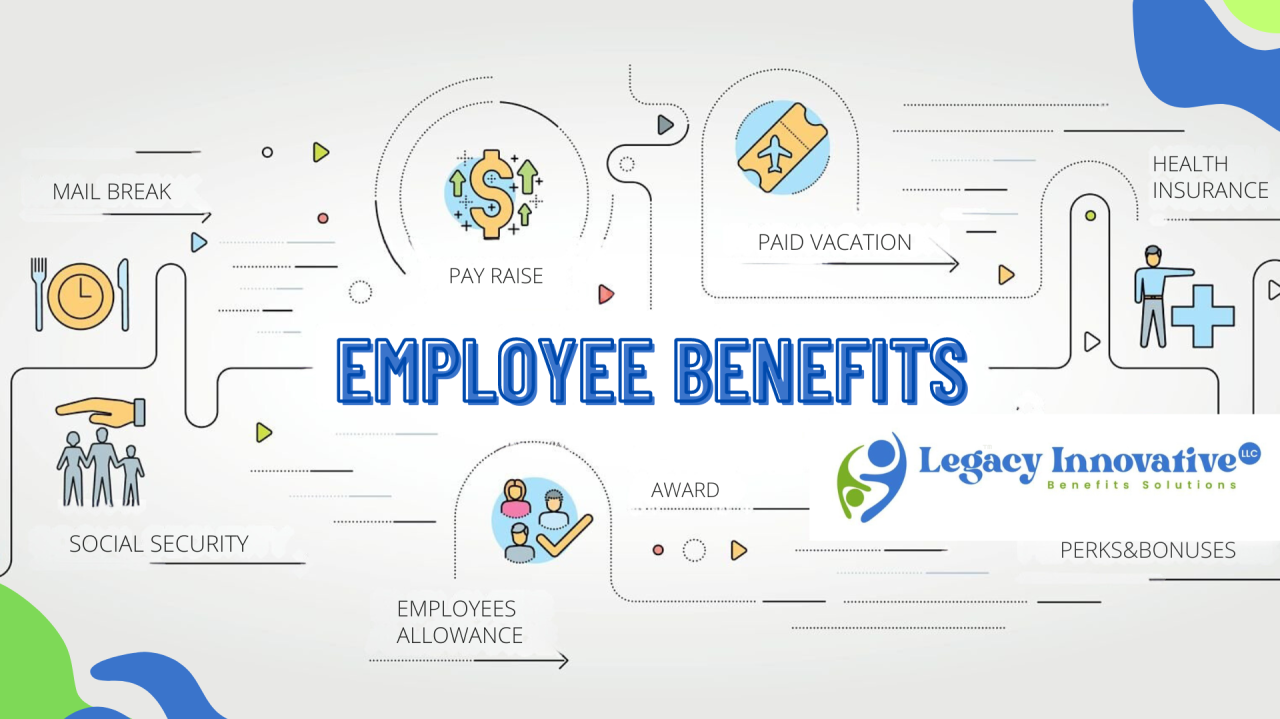
Why You Need Benefit Management Services
Insurance is arguably among the most confusing topics that people have to understand in modern US society. There’s a lot of conflicting information spreading around about small business group health insurance, and much of it has been colored by political rhetoric that doesn’t really help anyone at all. At Legacy Innovative Benefits Solutions we understand you can’t escape the necessity of discussing insurance; Whether as an individual, as a family member, as an employee, and as an employer. You have to know about the kind of benefit plan you need, and you have to be familiar with your options in the individual health insurance market. That’s where our benefit plan manager can help you.
Benefit management services is our business and our clients range across Ohio, Indiana, Michigan, Kentucky, and Tennessee. We enroll employers and employee’s into supplemental insurance programs. Legacy innovative benefits solutions, LLC. is also licensed to provide benefit management services in all 50 states and set up websites for small companies, to make HR processes more efficient.
But before we can explain the more intricate details of insurance, we need to take some time clarifying various terms and concepts so that all of us are on the same page. So let us answer some of your more commonly asked questions:
What is Term Life Insurance?
This is a life insurance policy that’s good for a specific amount of time, which is the “term” of the policy. So if you die within that year, your beneficiaries (typically family members) get the death benefit, which is the payout money.
One type of term life insurance is only good for a single year, and when you renew it each year the premiums (the monthly payments you make each month) becomes progressively more expensive. Statistically, that’s because you’re more likely to die the older you get.
Other types of term life insurance in Ohio can be good for longer periods of time. This can be 5 years, 10, 20 or even 30 years. This is one option you may want when you don’t want to deal with annual premium increases, as the premium amount is locked in for the duration of the term.
Am I Eligible for Short Term Health Insurance?
A short term health insurance policy, as its name implies, is only good for a relatively short period of time. It can last as long as 6 months or as short as just a single month. This is a viable option for those who are in between jobs or for people who are just waiting for the coverage of their new employer’s insurance policy to take effect. It gives an insurance option for those who are temporarily uninsured.
But your eligibility for short term health insurance depends on several factors. One of the se factors is your location, as this may not be available in all the 50 states.
Your health and your medical needs may also affect your eligibility. If you’re in good health, generally speaking, you’re likely to be eligible. But if you have any serious pr-existing medical conditions, then you may not be able to get this type of coverage. If you need help determining your eligibility you can contact our benefit plan manager.
Where can I get Low Cost Health Insurance?
Because of the Affordable Care Act (known to some folks as “Obamacare”), you now have more options when you’re in need of low cost insurance. Here are some of the best Cincinnati affordable health insurance options that may apply for you if you’re looking for individual health insurance in the Midwest:
• You can check with your parents’ insurance company and see if it has coverage for dependents. If that’s the case, then you can be accepted as a dependent until you turn 26 years old. You’re eligible if already married or if you live away from your parents.
• You may also get tax credits to help you buy insurance. But you have to be a legal US resident or citizen, you have to buy your insurance coverage through your state’s new health insurance Marketplace, and you have to make a certain amount of money per year. If you’re single, your annual income should be within $11,670 to $46,680 a year. If you’re part of a family of 4, you have to make $23,850 to $95,400 a year.
• Tax credits aren’t available for you if you can get coverage through your workplace. But the workplace coverage must be “affordable”. This means that it should cost only 9.5% of your income at the most, while it covers at least 60% of the benefits it covers.
• If your annual income is less than $16,000 then you may be eligible for Medicaid, which will be more affordable than an insurance plan you can get on the Marketplace.
• You may also be available for “catastrophic” plans, if you’re less than 30 years old and you can’t afford any other type of coverage. This requires you to pay a very low premium, but it has a high deductible. So it’s possible that you’ll only pay $120 a month, but you may have to shoulder the first $6,000 of your medical bills before the insurance policy pays out.
What are the Best Life Insurance Plans?
Life insurance is different from health insurance. Health insurance is about being able to cover the cost of treating illnesses and injuries. Life insurance is about being able to provide money for your beneficiaries if you die, so that they still have some money to maintain their lifestyle.
In general, the best life insurance plans are term life insurance plans. Your beneficiaries get a guaranteed amount of money should you die within the duration of the policy, such as the next 20 years.
• You can get a quote based on the state of your health, the length of the term, and the amount of benefit you want. This allows you to customize the policy to suit your needs or preferences. You can pick the length of the term which then affects the amount of the premium, and you can also tweak the amount of the benefit.
• Since you have very few elements in this type of life insurance plan (premiums, length of time, benefit amount), it’s easy to compare which policies and insurers are best for you.
• It’s easy to understand.
• It can be very affordable, especially if you’re less than 30 years old and in good health. You shouldn’t really need life insurance when you’re very old, since by that age you should have a nice amount of money in your retirement account.
Am I Eligible for Supplemental Health Insurance?
Most Americans are actually likely to be eligible, although it depends on the particular supplemental health insurance you get. So if you want to get a supplemental Medicare plan, you have to sign up for the traditional Medicare first. The most crucial qualifying factor is often the cost of it. It adds to your total premium payments. And in general, you won’t be able to get any sort of cost assistance on these supplemental plans. If you can’t afford them, then basically you’re not eligible.
What you have to understand about Ohio Supplemental Health Insurance is, by its name alone, it is supposed to supplement your already existing insurance policy. It’s not supposed to replace it. Legacy Innovative Benefits Solutions provides several possible reasons why you may want to get supplemental health insurance:
• Some senior citizens may get better coverage for their needs, compared to what they can get from Medicare.
• Families may benefit from dental and vision only plans. These are often not part of major medical insurance plans.
Some people may want to get supplemental plans to help cover the deductibles. But in general it’s probably better to just adjust the main insurance plan for a lower deductible for a higher premium.
What is Medicare?
Medicare is a federal health insurance program. It offers coverage for US citizens who are at least 65 years old and for some particular children with certain disabilities. It’s also for people with End-Stage Renal Disease, which is a type of permanent kidney failure that requires dialysis or a transplant.
Medicare comes in different parts that help cover particular medical services:
• Medicare Part A is hospital insurance. It covers your hospital stay as an inpatient, the care in a skilled nursing facility, hospice care, and certain types of home health care.
• Medicare Part B is medical insurance. It covers the cost of certain types of doctor’s services, outpatient care, medical supplies, and preventive medical services.
• Medicare Part C is a type of health plan offered by a private insurance company, and it works with Medicare so you get all your Medicare Part A and Part B benefits. Most of these plans also offer Part D coverage.
• Medicare Part D is the addition of the cost of the prescription drugs as part of the coverage.
What Medicare Plans are Available?
A Medicare health plan is a health insurance plan offered by a private company for people with Medicare, so that the insurance company can add more benefits. If you have Medicare, you can choose among several types of plans available:
• Health Maintenance Organization (HMO) Plan: This is a plan that requires you to go only to the doctors, hospitals, and other health care providers that are part of its network. Unless it’s an emergency, if you go to someone else who’s not on your HMO list, then you’re going to shoulder the full costs.
• Preferred Provider Organization (PPO) Plans: This is similar to an HMO, except that if you go to a doctor or hospital outside the list, you just pay more instead of the full cost. This then gives you more flexibility on which doctors and hospitals you can go to.
• Private Fee-for-Service (PFFS) Plans: This plan specifies how much it will pay your health care providers, and how much you must pay for your health care. This may also come with a list of approved health care providers.
• Medicare Special Needs Plans (SNP): This is for people with specific illnesses.
• Medicare Medical Savings Account (MSA) Plans: This is a plan with a high deductible, and Medicare put money into the bank account so you can use it to pay for your medical expenses.
• HMO Point of Service (HMOPOS) Plans: This is a type of HMO plan that lets you get particular services from providers not on the list, although it will cost you more.
Group Life Insurance Options
Group life insurance is a type of life insurance in which a single policy covers a whole group of people. Usually, the policy holder is the employer and the group is the employees. Here at Legacy innovative benefits solutions we have our own similar plan. If you’re the employer, you have several small company insurance options in Ohio to choose from:
• Basic group term life. This is the most common type of coverage, and it’s often paid for by you as the employer. The premium may go to as high as $50,000 and for the employee this is a tax-free benefit.
• Supplemental group term life. This is offered along with the basic group term life policy. With this you offer some flexibility by allowing your employees to buy extra amounts of coverage.
• Portable term life. This allows workers who retire or leave your company to take their coverage with them. They get continued coverage but they make their payments to the insurer.
It may be wise if you discuss your small business insurance options with your employees. You want a plan that’s affordable for everyone (you and your employees). While it also covers the different medical and financial needs of your employees. You have to find out how much cost-sharing you can afford, although usually you’re required by law to pay for at least 50% of the premiums for your employees. You also need to know the right balance between premiums and deductibles for your employees. And you have to know what kinds of benefits your employees will find important.
Hopefully we at legacy innovative benefits solutions have been able to provide you with a clear idea of what insurance for groups and individuals is all about. Insurance is rather complicated, and it’s for that reason we assist employers and employees with their insurance needs. Our goal is to make it simpler and easier for you to understand. This way you can choose the right insurance options for your workers, your family, and for yourself.
Contact Legacy Innovative Benefits Solutions, LLC. for benefit management services today.
This article was originally published on Benefitsforyou1.com
 Legacy Innovative Benefits Solutions, LLC.